Persistent Smoke Odor Help
Smoke Odor Removal in Decatur, Illinois
Find the source of lingering smoke odor. Get a Free Estimate
Persistent Smoke Odor Help
Find the source of lingering smoke odor. Get a Free Estimate
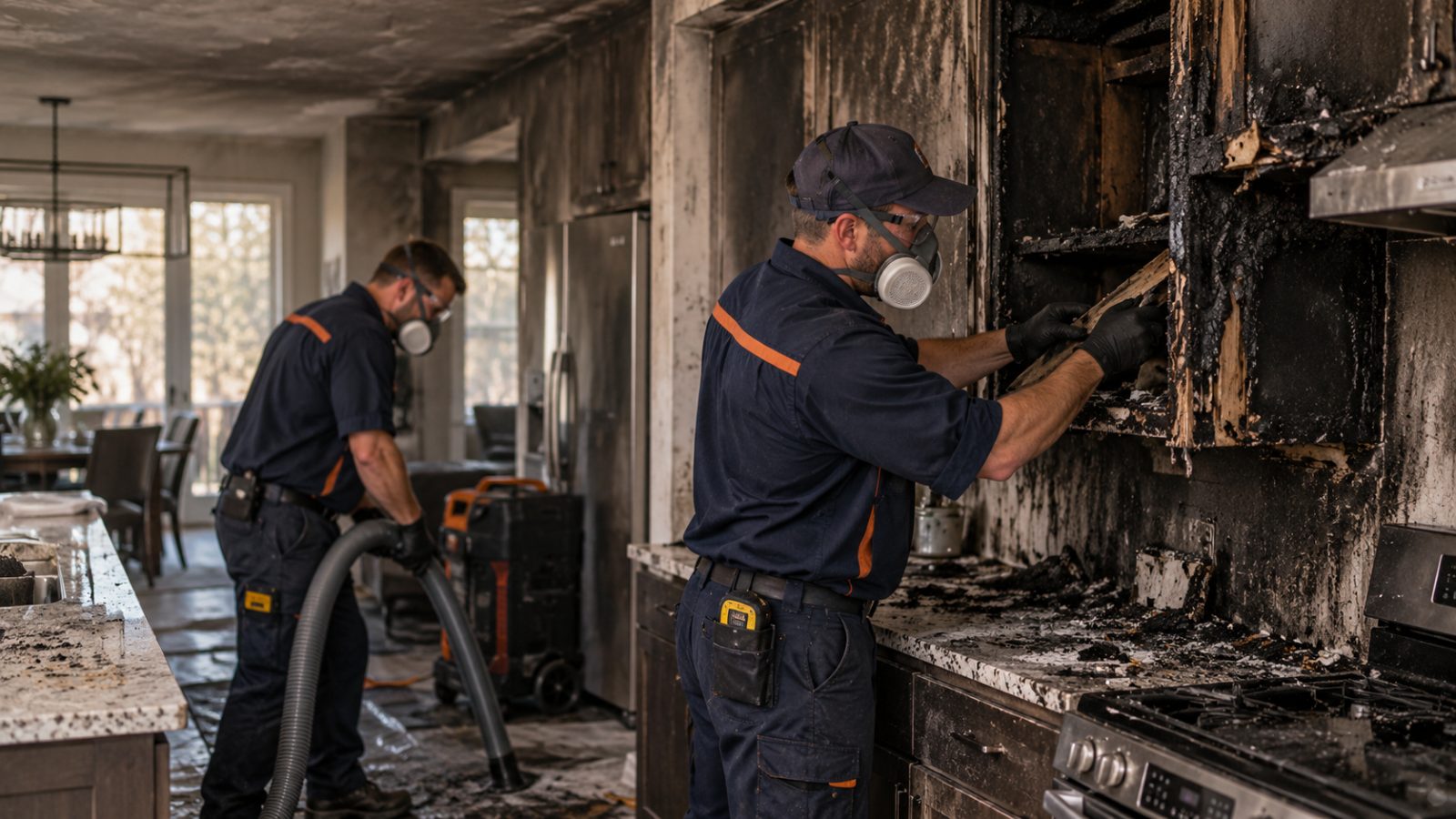
A property can look clean and still smell strongly of smoke. That happens because odor-producing residue can remain in porous materials, fabrics, unfinished wood, cabinets, wall assemblies, and other areas that ordinary surface cleaning may miss. Smoke Damage Restoration provides smoke odor removal services throughout Decatur and Macon County with an emphasis on finding and treating the source rather than simply covering the smell.
Successful odor work usually starts with cleaning. If smoke residue is still present, deodorizing the air alone may provide only temporary improvement. We look at where contamination remains, which materials absorbed smoke, and what additional treatment may be practical.
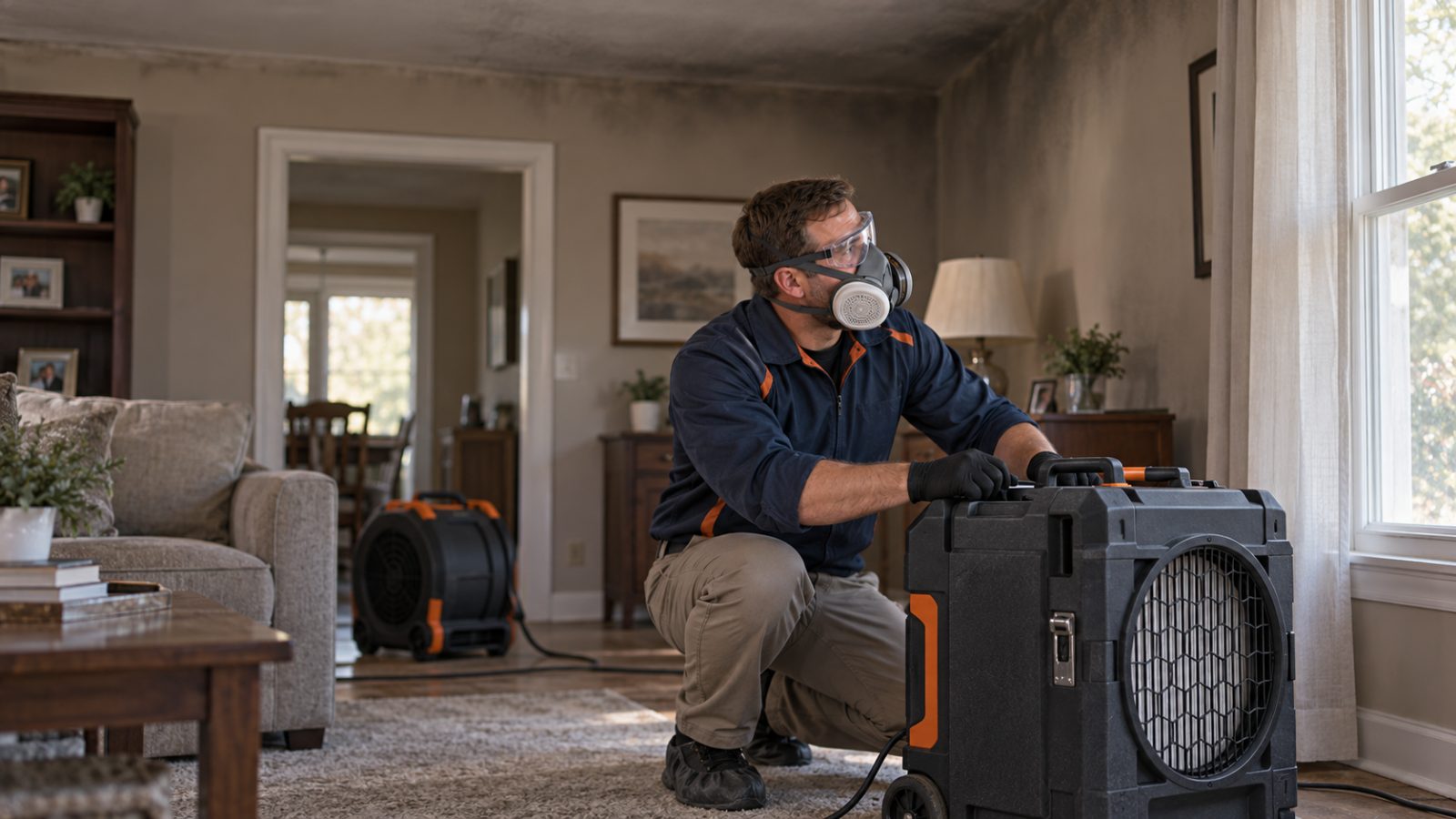
Smoke odor removal is often a sequence rather than a single treatment. The right combination depends on the source, the length of exposure, and the materials inside the property.
We begin by identifying where smoke residue may still be present. Odor can remain inside cabinets, closets, soft contents, porous finishes, unfinished structural materials, and other areas that were not obvious during the first round of cleaning. Locating these sources helps avoid repeatedly treating the air while leaving contaminated material untouched. The inspection also helps determine whether cleaning, deodorization, sealing, or removal is the more practical option.
Even a thin film of smoke residue can continue releasing odor. Before stronger deodorization steps are considered, accessible contamination should generally be reduced as much as practical. This may include additional cleaning on walls, ceilings, trim, cabinetry, hard surfaces, or belongings. Odor treatment tends to be more effective when it follows physical residue removal.
Carpet, upholstery, fabrics, unfinished wood, insulation, and other porous materials can hold smoke compounds more deeply than hard surfaces. Some materials can respond to specialized cleaning or deodorization, while others may remain a persistent odor source. We assess the condition and level of exposure rather than assuming everything can or cannot be saved. That helps balance restoration effort with the likely result.
Smoke can enter closets, cabinets, utility spaces, and other enclosed areas where odor becomes concentrated. These spaces may need separate attention even after the main living areas smell noticeably better. Opening up accessible storage areas, cleaning interior surfaces, and addressing contaminated contents can make an important difference in the overall result.
Smoke odor can become harder to judge after spending time inside the affected building. We review the property after cleaning and treatment to identify areas where odor remains noticeable. If a particular material continues releasing odor, further treatment, sealing, or replacement may be considered rather than repeating the same process without improvement.
| Service | Estimated Cost | Average |
|---|---|---|
| Localized odor treatment | $300-$1,200 | Varies by source |
| Multi-room odor removal | $1,000-$4,000 | Varies by materials |
| Severe whole-property odor | $3,000-$10,000+ | Varies by contamination |
Odor-removal costs depend heavily on whether contaminated materials can be cleaned or must be sealed or replaced. These are broad planning ranges rather than fixed prices.
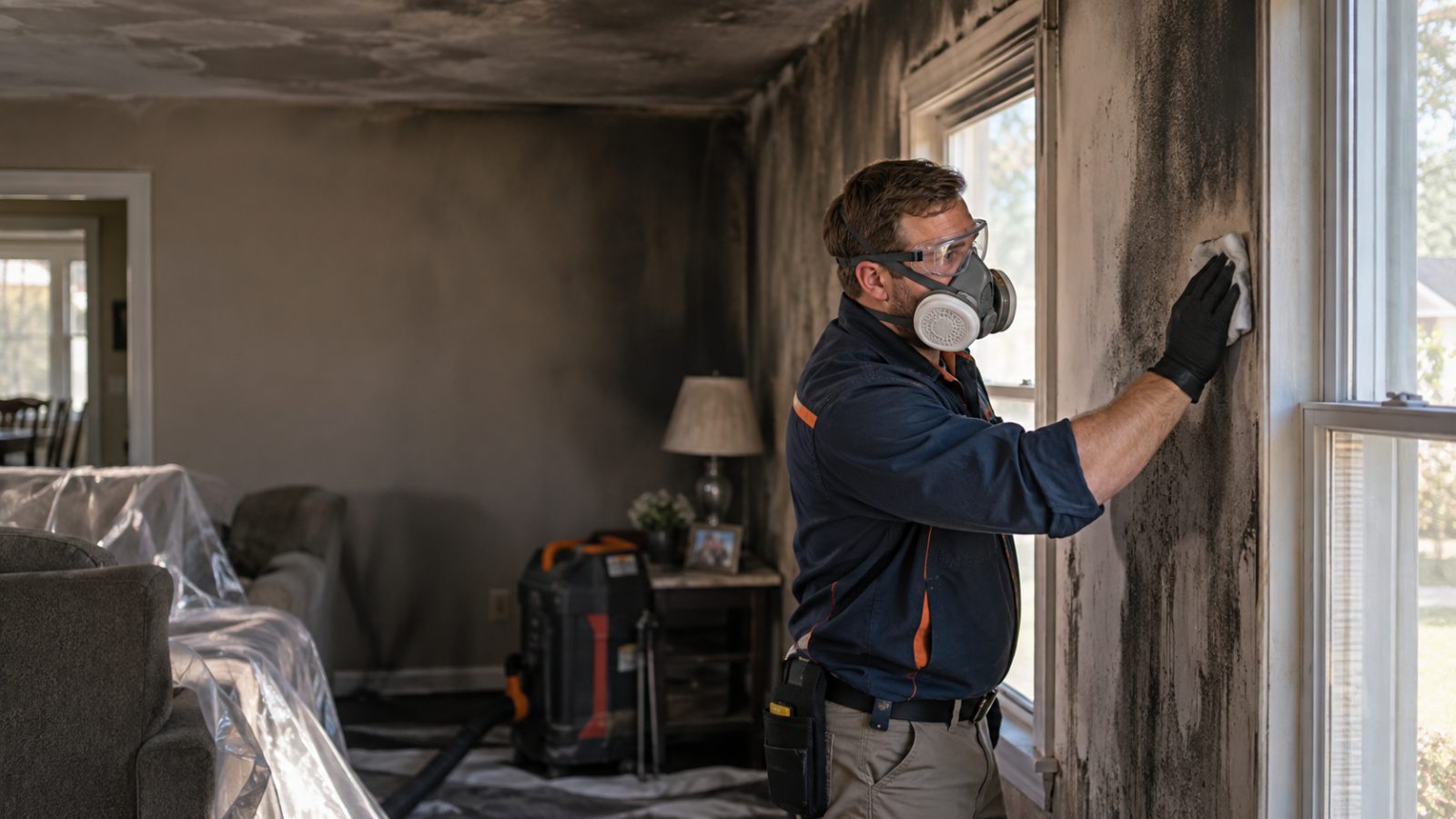
We look for the residue and materials creating the odor instead of depending on fragrance as the primary solution.
Cleaning, deodorization, sealing, and removal each have a place depending on how deeply smoke has affected a material.
We explain when a material is likely to respond to treatment and when continued cleaning may not be the most practical choice.
Our team works throughout Decatur and nearby communities for both localized odors and larger smoke losses.
If smoke odor keeps returning after cleaning, contact our Macon County team to discuss the affected property.
Free — no obligations
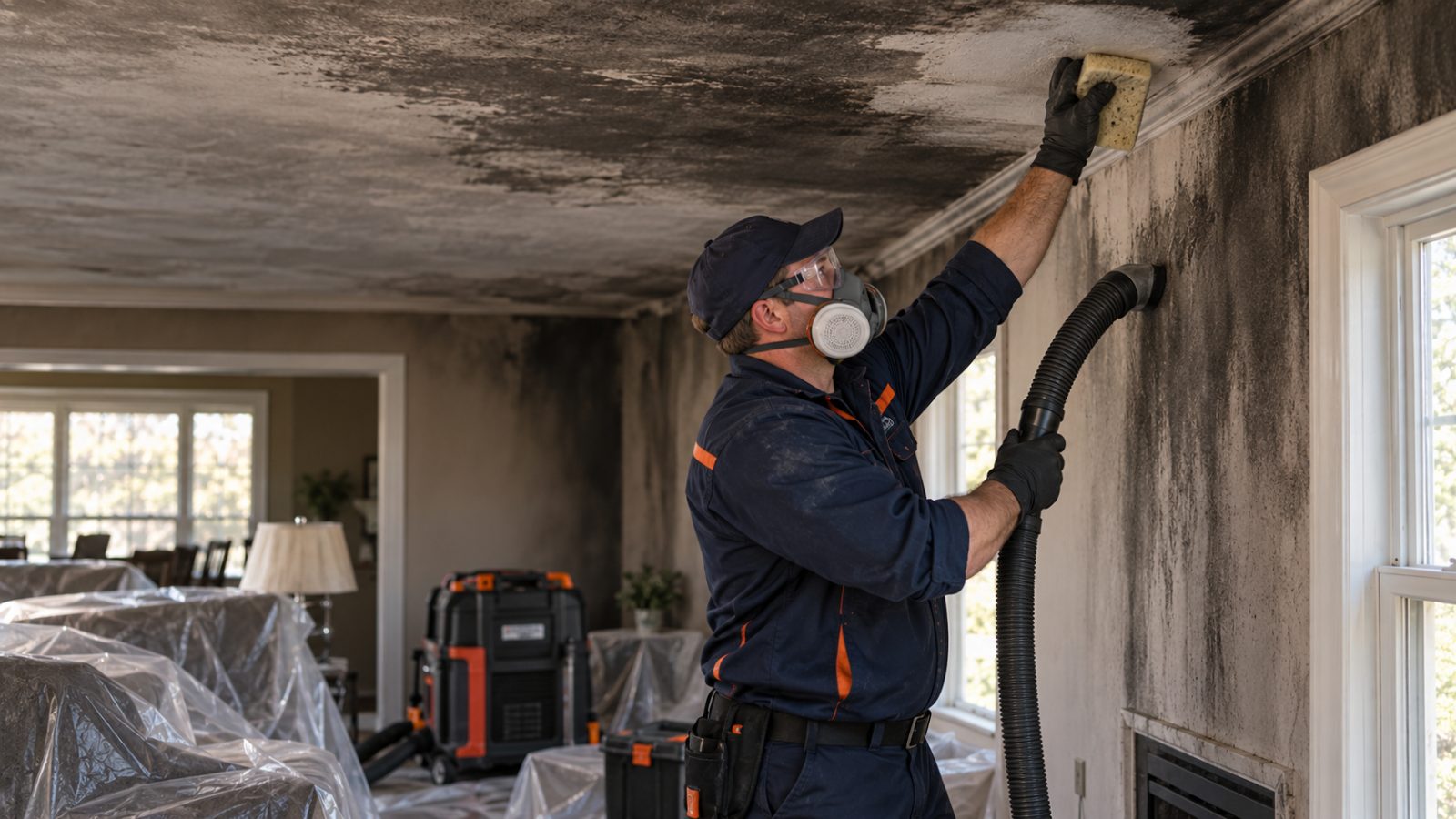
We review affected areas, materials, contents, and enclosed spaces for remaining contamination.
Accessible smoke contamination is cleaned where practical before more intensive odor treatment.
Appropriate deodorization methods are selected according to the source and the material involved.
Materials that continue producing odor are considered for additional treatment, sealing, or removal.
We check the overall result and identify whether any isolated odor sources remain.